Ethical Production. Safe Workplaces. Responsible Partnerships
Compliance Ethics and Responsible Manufacturing
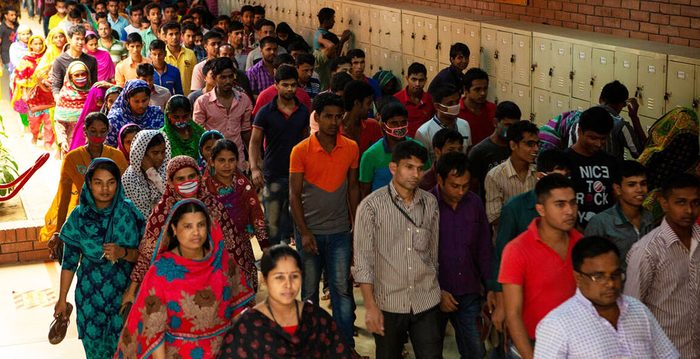
Fashion Club maintains a responsible manufacturing framework founded on legal compliance, ethical business conduct, worker protection, product integrity, supply-chain transparency, and environmental responsibility. Our requirements apply across our operations, approved production partners, suppliers, vendors, and business associates
01
Corporate Code of Conduct
Core Requirements for Responsible Apparel Manufacturing
The Fashion Club Code of Conduct sets the minimum compliance and ethical standards expected throughout our garment manufacturing and supply-chain activities. These requirements are aligned with applicable law, customer codes of conduct, recognized labour principles, and responsible sourcing expectations.
Legal and Regulatory Compliance
All operations must comply with applicable labour, employment, health and safety, environmental, commercial, and regulatory requirements, together with relevant customer standards.
Child Labour Prevention
Child labour is strictly prohibited. Recruitment must include effective age-verification controls to ensure compliance with the applicable minimum working-age requirement.
Forced Labour Prohibition
All work must be freely chosen. Forced, trafficked, prison, involuntary, or coercive labour is prohibited throughout the manufacturing and supply chain.
Bonded Labour Prevention
Workers must not be subject to debt bondage, retention of identity documents, unlawful recruitment fees, or any restriction on lawful freedom of employment.
Non-Discrimination and Equal Opportunity
Employment decisions must be based on legitimate business criteria, including skills, qualifications, and performance, without discrimination or unequal treatment.
Prevention of Harassment and Abuse
Harassment, intimidation, violence, verbal abuse, corporal punishment, sexual harassment, and degrading treatment are strictly prohibited.
Anti-Corruption and Ethical Conduct
Bribery, fraud, facilitation payments, conflicts of interest, theft, falsification of records, and improper business influence are not permitted.
Occupational Health and Safety
Facilities must maintain appropriate controls for fire, electrical, building, machinery, emergency response, occupational health, sanitation, and workplace safety.
Worker Rights and Fair Remuneration
Workers must receive lawful wages, benefits, overtime compensation, leave, maternity protection, and employment conditions in accordance with applicable requirements.
Working Hours and Rest Periods
Working hours, overtime, weekly rest, and leave entitlements must be managed in accordance with applicable law, customer requirements, and responsible production planning.
Facility Security and Access Control
Appropriate access control, visitor management, asset protection, emergency readiness, and workplace-security procedures must be maintained.
Environmental Compliance
Operations must manage water, energy, waste, emissions, chemicals, and hazardous materials responsibly, with a focus on legal compliance and pollution prevention.
Supply Chain Mapping and Transparency
Production locations and relevant supply-chain activities must remain transparent, traceable, approved, and subject to documented control.
Product Quality and Customer Commitment
Products must meet approved specifications, quality standards, product-safety requirements, traceability controls, and agreed delivery commitments.
02
Zero Tolerance Policy Matrix
Non-Negotiable Compliance Requirements
The following violations are treated as critical compliance concerns. Confirmed breaches may result in investigation, corrective action, suspension, supplier de-listing, or termination of the business relationship.
01 Human Rights
Child labour, forced labour, bonded labour, harassment, discrimination and any infringement of fundamental worker rights are treated as non-negotiable zero-tolerance violations.
02 Environmental Compliance
Unpermitted discharge, illegal waste handling, falsified environmental records and unmanaged hazardous chemicals are treated as critical breaches.
03 Product and Quality Integrity
Substitution of approved materials, falsified test reports, deliberate AQL manipulation and misrepresentation of origin are treated as critical breaches.
04 Unauthorized Production
Unauthorized subcontracting, unapproved production locations, and undisclosed capacity transfers are treated as critical supply-chain breaches.
03
Corporate Social Responsibility
Programmes That Support People and Communities
Fashion Club supports education, healthcare, women's empowerment, rural development and environmental awareness programmes alongside its manufacturing operations.
Education for Underprivileged Children
Supporting schooling and learning resources for children from low-income families near our production communities.
Rural Healthcare Support
Health camps, awareness drives and medical support for rural communities and factory workforces.
Emergency Support Systems
Rapid-response funds and relief coordination for disasters and emergency situations.
Women's Empowerment
Skills development, leadership training and a 70% women-led workforce across our operations.
Rural Development
Local sourcing, employment generation and infrastructure support in surrounding districts.
Tree Plantation & Environmental Awareness
Plantation drives and awareness programmes that support greener factory environments.